
Fall Fashion Forecast
I always love spotting the first signs of a new season beginning, and none more so than fall. The first leaf that crackles underfoot, acorns on the ground, the unmistakable fall air. Although none of these signs are as interesting to me as watching people’s personal style evolve as the season gets colder. Boston is no stranger to Fall/Winter fashion–to most in the city, it’s their wardrobe for the better part of the year. So it’s always interesting to see how fashionable Bostonians go about styling themselves for the winter–and after being back in town for the first two weeks of junior year, I can safely say I’ve noticed some fall trends.
I’m finding that these new trends are different from the course that has been set for the first half of the decade–there are already distinct differences in the way we dress in the last five years to the next. I believe these differences have come from the embrace of a few key fashion movement revivals: late 2000s-early 2010s indie sleaze, the boho/romantic movement revival, and the maximalist-twee revival.
The most notable trend shift of this year has to be the general exodus from the Y2K style that had rooted itself into the youth fashion zeitgeist of the first half of the decade, into this embrace of early 2010s indie sleaze. The jeans are starting to get skinnier, the high-tops and wedges are coming out (personally thrilled about that one), chunky knitwear.I’ve even seen some niche 2010s trends such as the return of the military jacket and jorts cut so that the pockets stuck out from underneath. We’re even seeing the revival of the controversial 2010s hallmark indie fashion brand American Apparel in the form of Los Angeles Apparel, their new flagship store in SoHo having just opened with the exact energy of the original store. 2010s nostalgia is in full swing, and one of the biggest trends I’ve seen from the crossover is that studs are here in a huge way. Everything is studded lately: studded bags, studded tops, studded belts, studded shoes. There has been a worldwide shift toward these formerly 2010s aesthetics and silhouettes in just the short span of half a decade.


photo: pinterest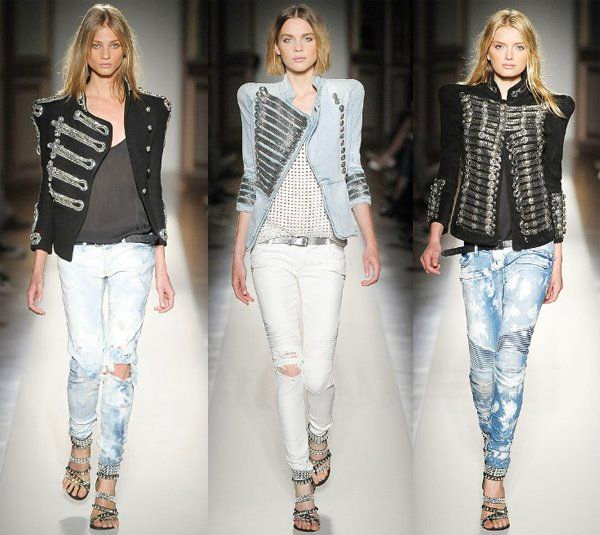
Photo: Balmain Spring 2009The revival of boho and romantic styles has also made massive waves in the current cultural landscape. We have these movements to thank for many of the trends circulating at the moment: drapey, slouchy fabrics, including these drapey off-the-shoulder tops, huge statement concho belts, the return of tassels in bags and other accessories, ruffles, and sweetheart necklines. For those of you wondering if there were ever this many milkmaid dresses in the clubs and bars as you’re seeing now, you’re not going crazy. This boho revival can also be seen through the latest collections for fashion brands at the forefront of public attention at the moment, such as Chloe, Isabel Marant, Bottega Veneta, and Valentino.
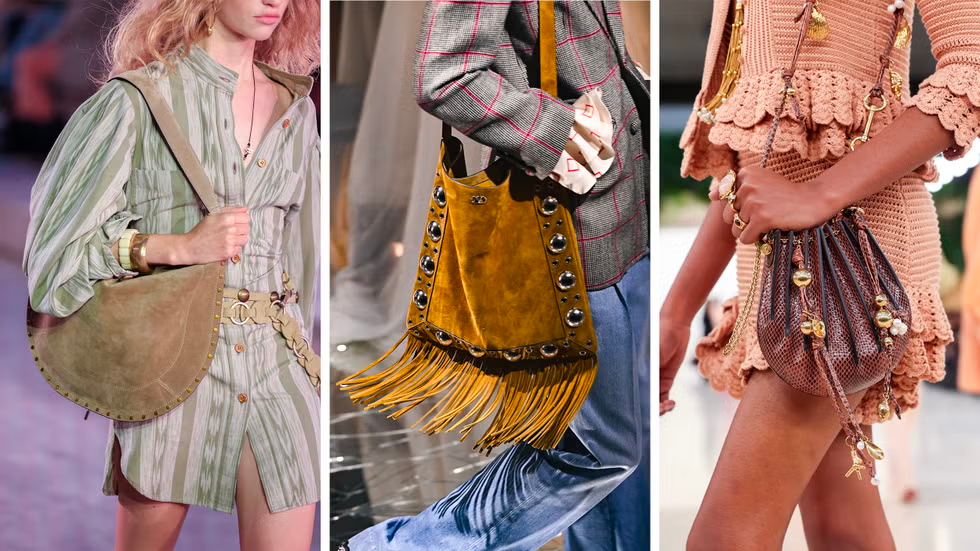
Photo: Isabel Marant, Valentino, Chloe - Harper’s BazaarLastly, there is a continuation of the maximalism movement’s hold on youth style. There is always only one way to do maximalist fashion–to do too much. To overaccessorize, to overlayer, to play with colors, play with fabric, play with everything. Lately, I’ve been observing that this 2025 neo-maximalism is pretty reminiscent of some elements of twee: colored tights, tall colored socks and boots, babydoll dresses, ballet flats, boatshoes, and sailor collars. I’ve seen a lot of cool experimentations with color, such as an outfit with a fairly cohesive color scheme and then a pop of an abrasive, out-of-place color that would normally never work but somehow does.
Whether you’re leaning toward that indie sleaze revival look, the romantic boho-chic, or the whimsical nuance of the twee revival, the best way to always stay ahead of the fashion curve is through shopping sustainably. How the trend cycle has essentially done a 360 in the span of not even 20 years, fashion is, of course, cyclical and constantly referencing itself. By shopping at local flea markets, thrift stores, deadstock sales, and vintage stores, you are that much closer to authentic and quality pieces without spending money on a lower-quality fast fashion imitation. Shopping small not only prevents textile waste and global pollution, but it also ultimately keeps you at the forefront of the style curve.